Senate SAFE Act Targets Chameleon-Carrier Screening
A bipartisan Senate bill would push FMCSA toward stronger registration screening for carriers that shut down and reopen under new identities after safety problems.

53 articles
A bipartisan Senate bill would push FMCSA toward stronger registration screening for carriers that shut down and reopen under new identities after safety problems.

After the Supreme Court let a negligent-hiring claim against C.H. Robinson proceed, industry groups are pressing FMCSA for clearer carrier-vetting data. The issue matters for fleets that outsource vehicle moves, equipment delivery, or overflow hauling.

FMCSA English-language enforcement is back in the roadside inspection conversation after years of uneven application. Fleets that operate interstate CMVs now have another driver-qualification item to document before an inspection tests it.

EPA is expected to release a proposed NOx rulemaking after OMB review, with fleets watching warranty terms, credits, penalties, and 2027 truck pricing.

The engine makers are rolling out software updates that give truck operators more time to address DEF and SCR faults while keeping EPA emissions requirements in place.

Idaho is ending non-domiciled CDL issuance unless drivers establish state residency, adding another state-level response to federal scrutiny of licensing rules.

The Commerce Department denied Polestar authorization under the Connected Vehicle Rule, blocking new U.S. model-year 2027 sales while existing Polestar 3 and 4 inventory and service support remain in place.

Mexican trucking officials say work-visa cancellations are tightening cross-border driver supply as U.S. cabotage enforcement increases.

Commercial drivers no longer have to notify their home state after an out-of-state traffic conviction. FMCSA says electronic state-to-state reporting made the old 30-day driver notice redundant.

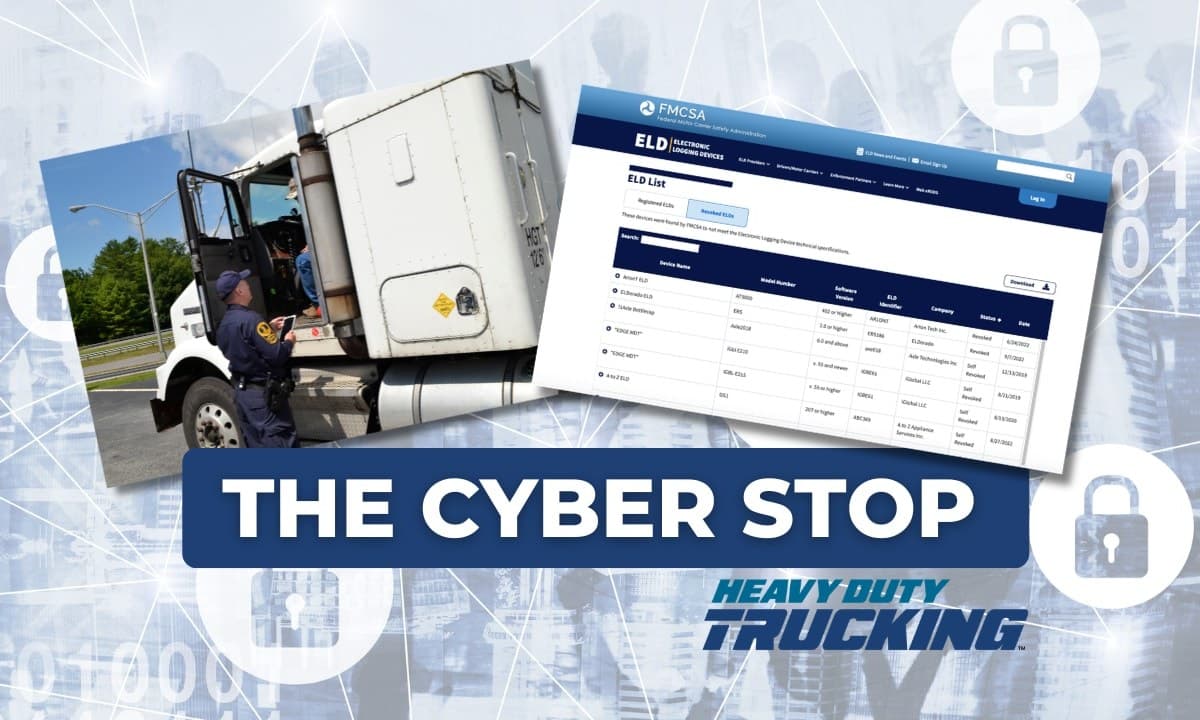
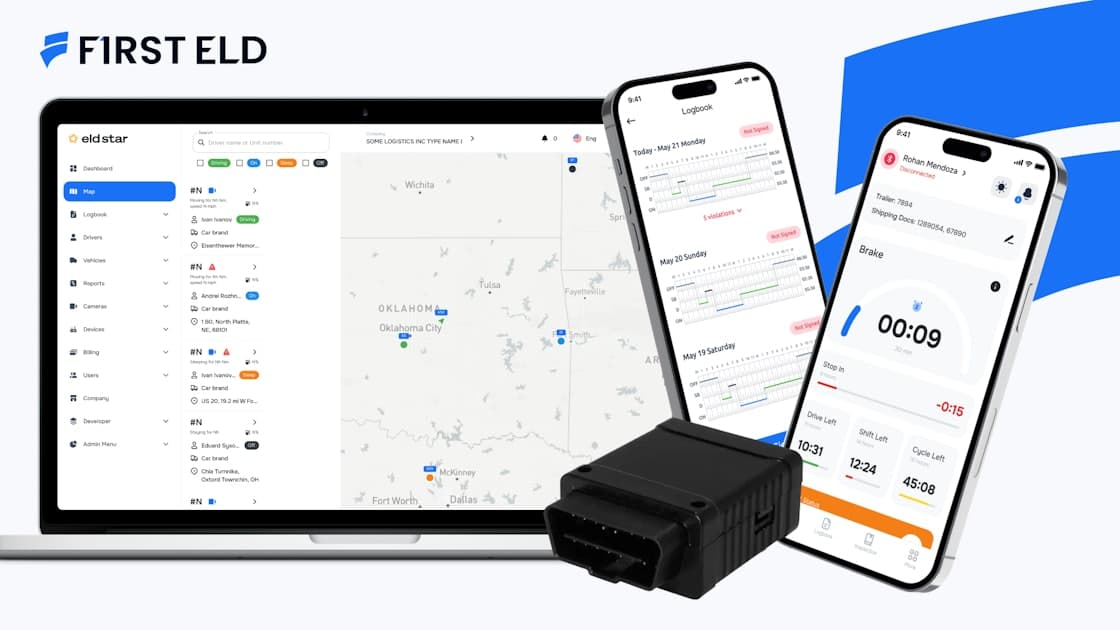
NMFTA researchers say many registered ELDs may share underlying software, meaning individual FMCSA revocations may not remove the broader compliance and security risk.

Daimler Truck North America is rolling out emissions software that gives Detroit-powered Freightliner and Western Star trucks more time before severe DEF-related derates take effect.

The unanimous Montgomery v. Caribe ruling allows state negligence claims against brokers that hire unsafe carriers, raising the stakes for carrier checks and documentation.

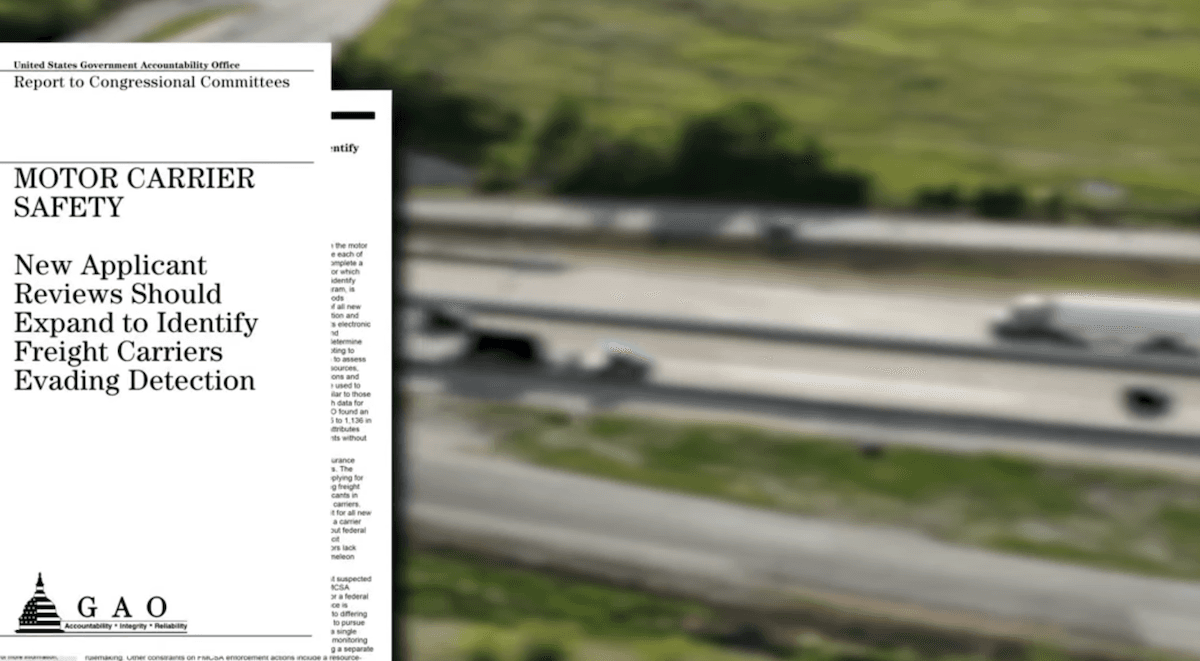
ATA and other trucking groups are backing federal action after renewed scrutiny of carriers that reopen under new identities to avoid FMCSA safety oversight.

FMCSA is waiving HOS limits and ELD recording rules for fertilizer haulers in 34 states through August 26, with a 16-hour daily driving cap and rest rules still attached.

Ohio is contacting about 5,000 non-domiciled CDL holders after FMCSA guidance tightened which immigration documents qualify for commercial driving credentials.

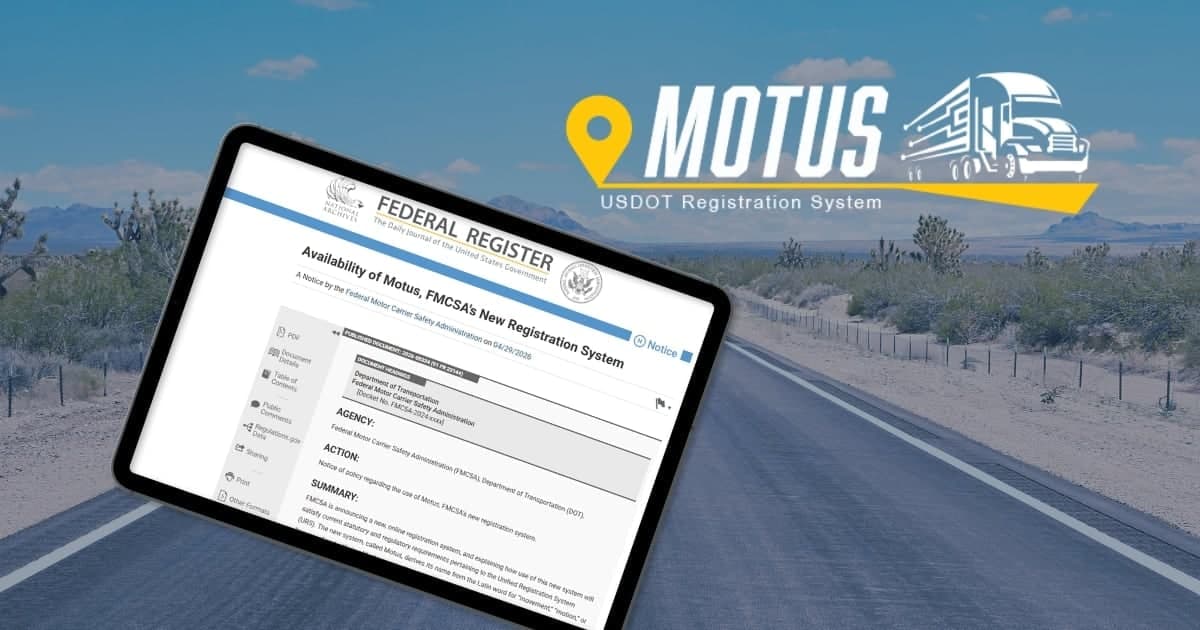
FMCSA has moved carrier registration into Motus, the new USDOT Registration System for DOT numbers, operating authority, biennial updates, and related filings.

Trucking companies prepare for costly EPA emissions standards while dealing with weak freight rates and economic uncertainty affecting industry outlook.

FMCSA removed 12 more electronic logging devices from its registered list, giving affected carriers until July 20 to move to compliant systems.

Motor carriers using Safe ELD or MYLOGS have until July 7 to move to compliant devices before roadside enforcement treats them as operating without an ELD.

The unanimous Montgomery ruling lets a negligent-hiring claim against C.H. Robinson move forward, narrowing the federal preemption defense freight brokers have used in crash lawsuits.

Eight trucking groups are asking House transportation leaders to advance the SAFE Act, a bill aimed at carriers that shut down and reopen under new identities after safety violations.

The next round of heavy-duty emissions rules is pushing fleets to look harder at truck pricing, warranty exposure, and replacement timing before 2027 equipment reaches the market.

Federal lawmakers are weighing fuel-tax relief while EIA data shows national on-highway diesel at $5.639 and gasoline at $4.50.

Texas Attorney General Ken Paxton issued civil investigative demands to five trucking schools, citing concerns about CDL training requirements, English proficiency, and programs advertised as shorter than industry norms.

ATRI wants carrier input on telematics safety and Hours of Service rules. ATA is collecting compensation data. Both windows are open now.

A FreightWaves investigation found just 89 process agents handle legal service for 1.67 million American carriers -- and several of them can't be verified as legally incorporated in any state.

FMCSA data shows the trucking carrier population growing again after months of contraction. The catch: analysts still expect more bankruptcies, tighter margins, and a 2027 emissions deadline that just got harder to dodge.

Carriers in 26 states are getting collections letters as Ohio goes after $5.2M in unpaid tolls -- and the agency is done playing nice with chronic evaders.

The House just voted to dissolve the FMCSA and stand up a dedicated trucking regulator -- a structural shift that could reshape compliance for every carrier. Meanwhile, USA Truck returns to U.S. hands in a leadership buyout from DSV.

A 2026 study proves what investigators long suspected -- hours-of-service fraud predicts broader safety failures. The findings arrive as FMCSA escalates its crackdown on chameleon carriers.

Federal regulators are closing the loophole that lets bad carriers rebrand overnight, just as a Florida operator's collapse exposes how 2,000 investors lost $158 million chasing impossible trucking returns.

Federal regulators announced new enforcement measures in February targeting carriers that dissolve and relaunch under fresh DOT numbers to escape safety records. It's a problem years in the making, and the financial squeeze is making it worse.

Federal regulators unveil new industry reforms aimed at preventing unsafe carriers from evading oversight by rebranding operations.
Federal regulators unveiled industry reforms aimed at carriers that shut down and reopen under new identities to evade safety oversight.
Federal data reveals trucking carrier population shifting back toward growth following period of market exits.

Federal regulators are closing the loophole that lets unsafe carriers vanish and reappear under new names -- while $4.1B in mega-verdicts and a firm EPA timeline pile on pressure.

Federal regulators announce sweeping trucking industry reforms while carriers face mounting financial pressures and bankruptcy filings.

The agency's new rules target carriers that rebrand their way past safety violations, alongside 18 proposed rule changes touching driver qualifications, maintenance, and day-to-day compliance.

Industry associations want higher barriers for new motor carriers as executives brace for 18 more months of soft freight markets.

New federal rules target carriers that dodge safety records by rebranding, while the rate downturn continues to push weaker operators out of the market.

The agency's most comprehensive regulatory overhaul in years closes loopholes used by repeat safety violators to cycle through DOT numbers and escape accountability.

Federal regulators are closing the loopholes that let dangerous carriers reopen under new names -- and a new Congressional Trucking Caucus is watching.

Federal regulators announce sweeping reforms to combat carriers that change identities to avoid safety oversight, addressing growing concerns about industry safety standards.

FMCSA targets chameleon carriers while technology drives diversity and financial innovation, reshaping the trucking landscape amid economic challenges.

From FMCSA crackdowns on chameleon carriers to financial struggles among top fleets, the trucking sector confronts mounting pressures while tech advances offer hope.

A federal court won't reimburse the ATA for its Rhode Island truck-toll fight -- and Q3 data shows more carriers leaving the market than joining it.

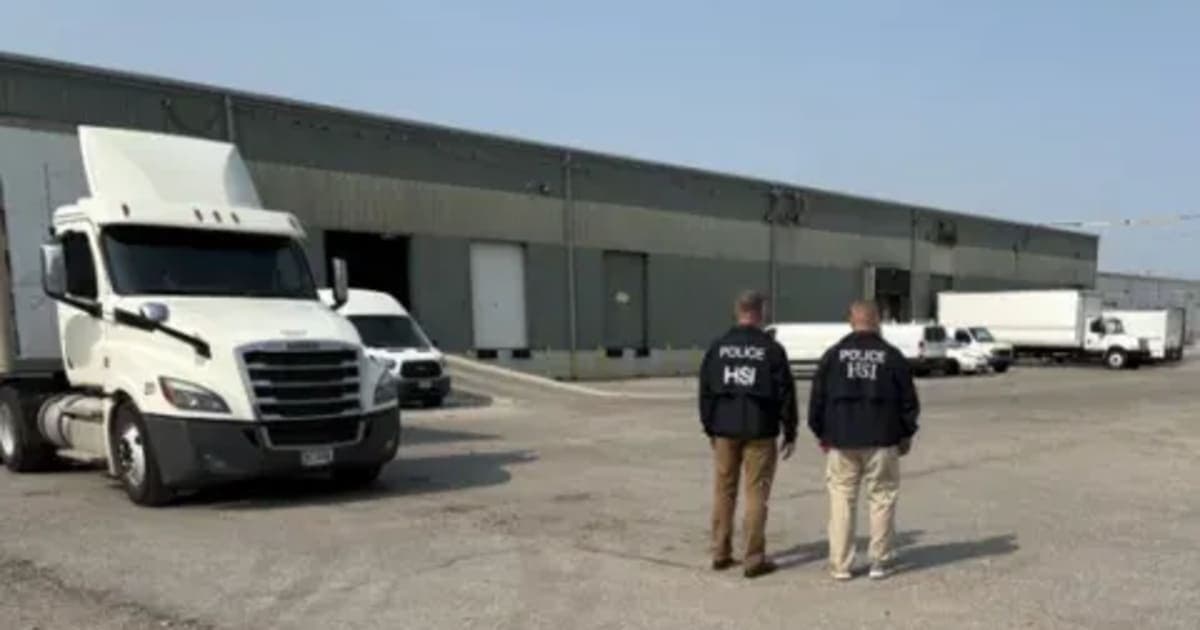
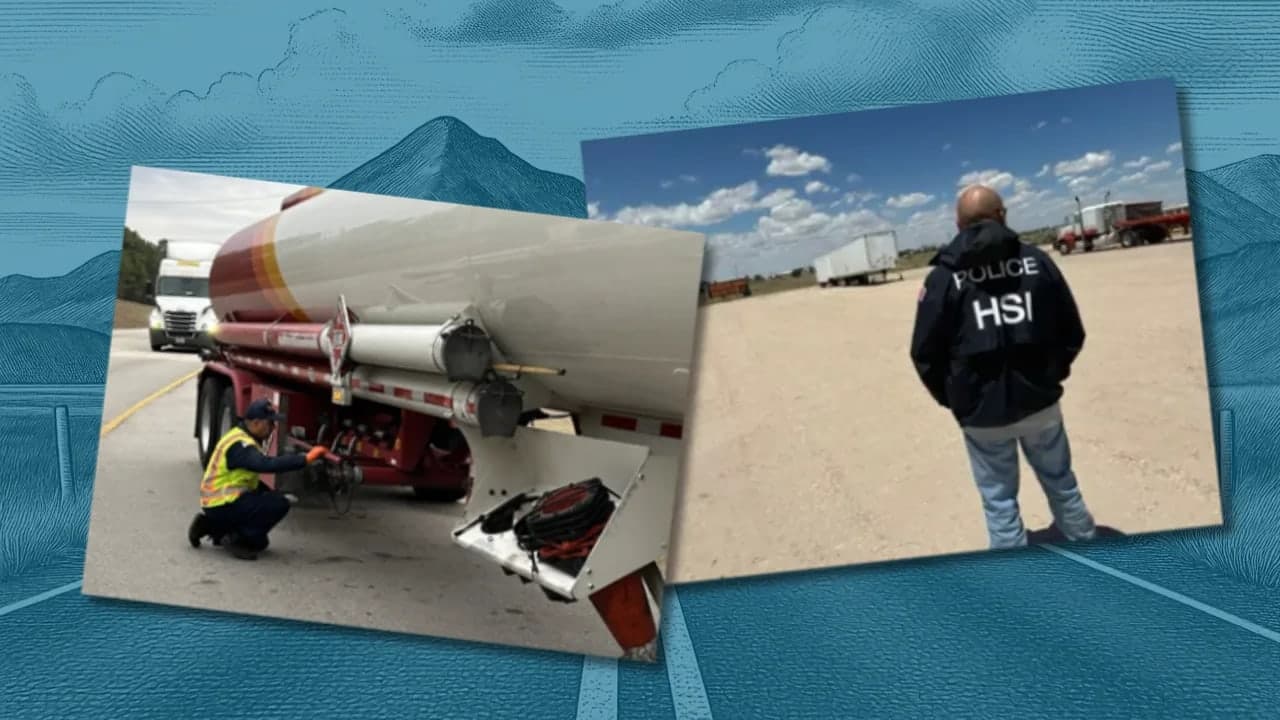
Serna's Trucking files Chapter 11, federal agents conduct on-terminal enforcement at an Indiana operator -- and ATRI's latest report shows litigation costs are reshaping who survives.

New federal legislation targets fraudulent trucking operations as industry grapples with carrier schemes that exploit regulatory gaps and endanger legitimate fleets.
Jim Mullen's TCA leadership, evolving cost structures, and new regulatory priorities signal significant shifts ahead for commercial fleets.

The Trump administration targets CARB's clean fleet rules, speed limiters, and CDL regulations in a broad trucking deregulation push.

FMCSA removes 27 ELD devices from its approved registry, forcing thousands of carriers to find compliant alternatives within 60 days.

FMCSA tightens surety bond requirements and adds quarterly reporting mandates for high-volume freight brokers.

New York's commercial vehicle licensing crisis and toll increases challenge fleets while new safety tech and electrification trends offer growth opportunities.

The 5 stories fleet managers need this week. Every Friday.
Join fleet professionals who start their week informed