FMCSA Cracks Down on Chameleon Carriers With New Reforms
Federal regulators are closing the loophole that lets unsafe carriers vanish and reappear under new names -- while $4.1B in mega-verdicts and a firm EPA timeline pile on pressure.
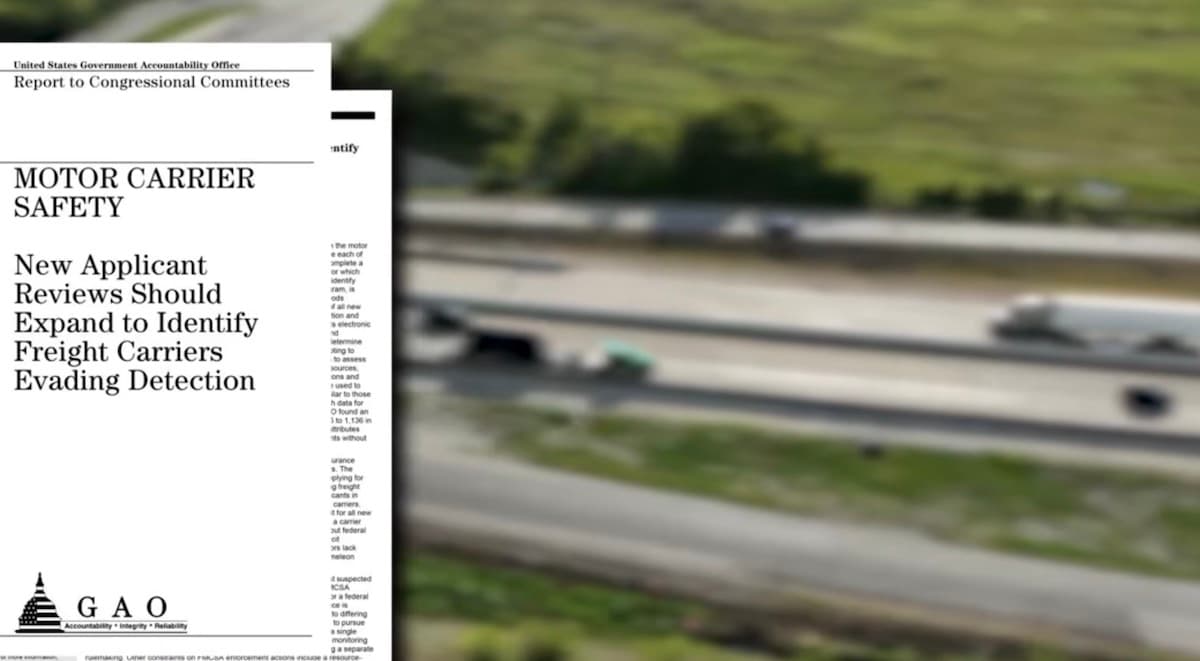
Regulators Target Carriers That Rebrand to Dodge Safety Records
The Federal Motor Carrier Safety Administration is going after one of trucking's most persistent enforcement gaps: "chameleon carriers" that dissolve and re-emerge under new names to erase poor safety records. The new reforms aim to close loopholes that have allowed unsafe operators to reset their scores and continue hauling freight as if nothing happened.
For legitimate carriers, this is overdue. Chameleon operations undercut fleets that invest in compliance, training, and safety infrastructure. If your competitors are gaming the system, your costs look artificially high by comparison -- and shippers lack the transparency to tell the difference.
EPA Holds Firm on 2027 NOx Rule -- No Delay Coming
Despite heavy lobbying from industry groups, the EPA rejected requests to push back the 2027 nitrogen oxide emissions timeline. The original schedule stands, and carriers and OEMs who were banking on a delay now face a compressed window to prepare.
The practical impact for fleet managers: equipment purchasing decisions made in the next 12 months will determine your compliance posture for years. Fleets planning to spec new trucks in 2027 or later should confirm that their OEM partners can deliver compliant powertrains on schedule. Waiting to see if the rule gets softened is no longer a viable strategy.
Carrier Closures Accelerate Across Market Segments
The exits keep coming. 10 Roads Express, a USPS contractor, announced it will shut down by February. A Texas-based carrier filed for bankruptcy protection. These are not isolated cases -- they reflect an environment that industry observers are calling "unsustainable."
The closures span government mail contractors, regional haulers, and mid-size operators, signaling that no market niche is immune from the squeeze of suppressed rates and rising costs. For surviving carriers, this means capacity will eventually tighten -- but the question is whether your operation can outlast the downturn to benefit from the rebound.
$4.1 Billion in Mega-Verdicts and What ELD Data Reveals
Nuclear verdicts continue to reshape the industry's risk calculus. Lawsuit payouts have reached $4.1 billion, creating financial exposure that forces carriers to rethink everything from hiring standards to dash cam investments.
Meanwhile, new research from the American Transportation Research Institute found that ELD violations strongly predict broader safety problems within a carrier's operation. Translation: regulators now have a data-driven shortcut to identify risky operators. If your ELD compliance is sloppy, expect scrutiny -- and if you're clean, this research supports the case for differentiated insurance rates and shipper preference.