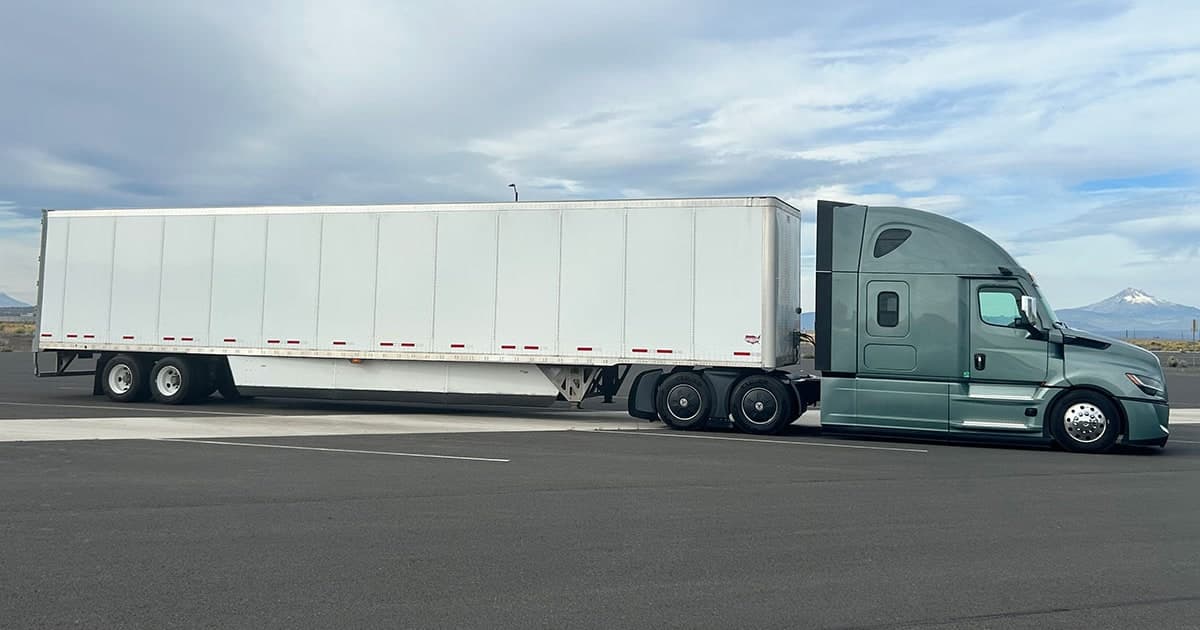
FMCSA Announces New Reforms to Target 'Chameleon Carriers'
Federal regulators unveiled industry reforms aimed at carriers that shut down and reopen under new identities to evade safety oversight.

FMCSA Targets 'Chameleon Carriers' with New Industry Reforms
The Federal Motor Carrier Safety Administration announced new regulatory reforms specifically designed to combat 'chameleon carriers' — trucking companies that close their operations and quickly reopen under different identities to avoid safety violations and regulatory oversight. The reforms, announced in February 2026, represent a significant enforcement expansion aimed at carriers that exploit regulatory gaps to continue unsafe operations.
The initiative comes as federal safety officials have identified a pattern of carriers shutting down after accumulating safety violations, only to resume operations under new operating authorities with the same management, drivers, and equipment. This practice allows carriers to effectively reset their safety records while continuing potentially dangerous operations.
Carrier Market Continues Contraction Amid Economic Pressures
The trucking industry has experienced a sustained period of carrier exits as market conditions remain challenging. Commercial Carrier Journal reported that carrier departures are climbing as the freight market becomes increasingly 'unsustainable' for many operators. The contraction has been particularly severe among smaller carriers struggling with weak freight rates and elevated operating costs.
Financial pressures have intensified across the sector, with major carriers continuing to report disappointing earnings through multiple quarters. The combination of soft demand, oversupply of capacity, and rising operational expenses has created what industry observers describe as one of the most difficult operating environments in recent memory. A Texas-based carrier filed for bankruptcy in December 2025, adding to the growing list of companies unable to weather the downturn.
Industry Challenges Shift from Driver Shortage to Economic Concerns
Economic uncertainty and regulatory compliance have displaced the traditional driver shortage as the primary concerns facing trucking companies. According to recent industry surveys, carriers are now more focused on navigating weak freight rates and regulatory requirements than recruiting drivers, marking a significant shift in industry priorities.
The trucking labor market in 2025 showed signs of cooling, with job postings declining and wage growth slowing compared to previous years. However, industry analysis suggests the sector faces a 'quality' driver shortage rather than a pure quantity problem, with carriers seeking experienced, qualified drivers rather than simply adding headcount.
Technology and Safety Enforcement Developments
Safety enforcement has intensified with new research showing strong correlations between Electronic Logging Device violations and unsafe carrier operations. The study findings provide federal regulators with additional data supporting stricter oversight of carriers that fail to comply with ELD requirements.
Meanwhile, technology adoption continues across various industry segments, with some LTL carriers implementing AI-based software to automate shipment pricing and other operational processes. Fleet management technology providers including Fleetio, TMT, Decisiv, and Proaction continue developing platforms to help carriers navigate compliance requirements and operational challenges.
The American Trucking Associations has also launched a new driver compensation study seeking responses from carriers, while House members established a bipartisan Congressional Trucking Caucus to address industry issues at the federal level.