Senate SAFE Act Targets Chameleon-Carrier Screening
A bipartisan Senate bill would push FMCSA toward stronger registration screening for carriers that shut down and reopen under new identities after safety problems.

Senate Version Adds Pressure on FMCSA
Senators Todd Young of Indiana and Andy Kim of New Jersey introduced a Senate version of the Safety and Accountability in Freight Enforcement Act on July 28, adding bipartisan pressure behind federal action on so-called chameleon carriers.
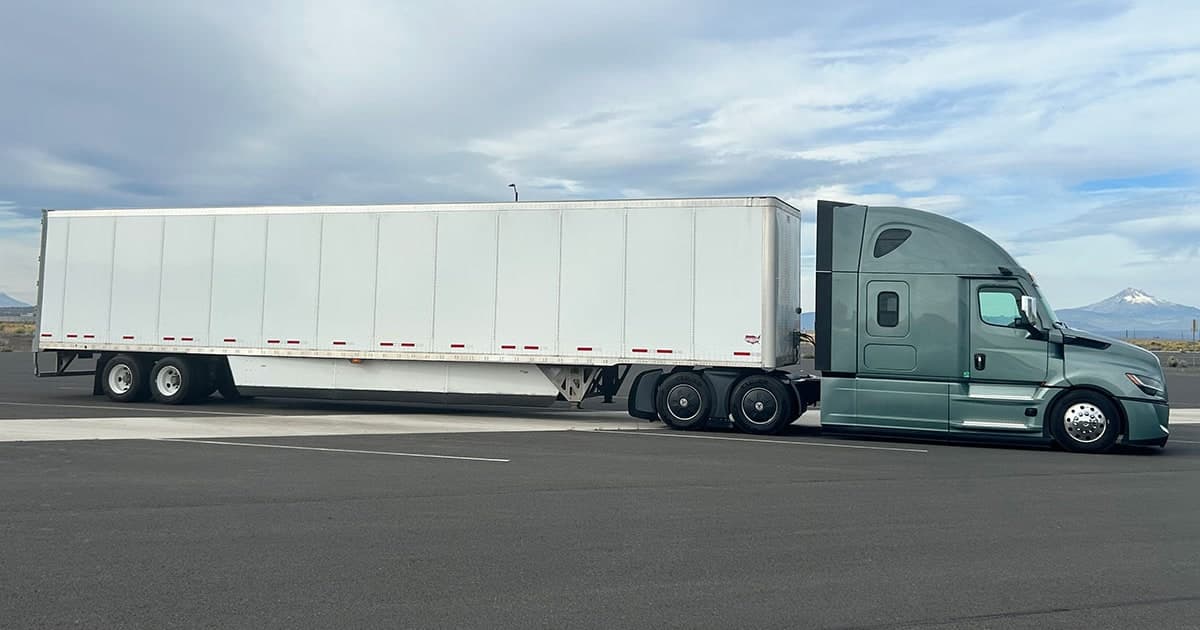
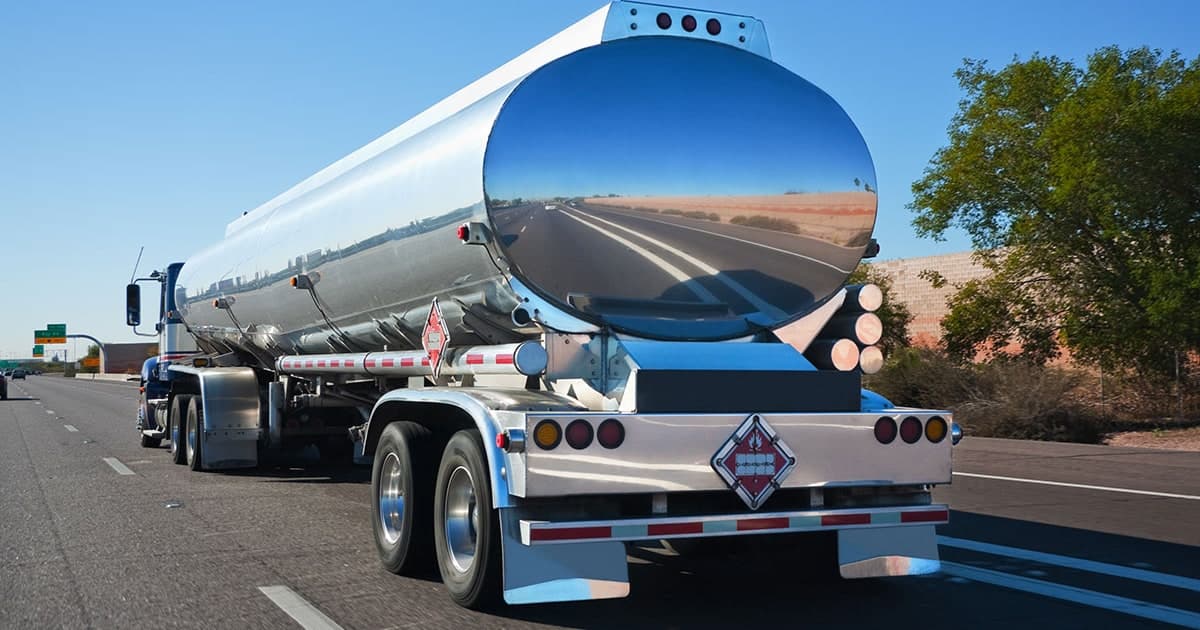
The bill targets trucking operators that close or reorganize after safety violations, crashes, or enforcement action, then seek a fresh USDOT number under a new name or affiliated company. A House companion bill was introduced in February, and the Senate version keeps the focus on registration screening before a risky operator can reenter the market.
What the Bill Would Require
The proposal would require a Government Accountability Office study on the prevalence and safety impact of chameleon carriers. It would also direct the Federal Motor Carrier Safety Administration to develop and implement an advanced automated tool to flag suspicious registration applications.
Industry groups including the Owner-Operator Independent Drivers Association, American Trucking Associations, and Truckload Carriers Association backed the Senate bill. Supporters argue that stronger front-end screening would make it harder for unsafe operators to shed enforcement history by changing names, ownership structures, addresses, or registration numbers.
Fleet Risk Angle
This is still a trucking-enforcement story, but it matters for fleets that rely on outside carriers, vehicle transporters, equipment delivery partners, or overflow hauling. If FMCSA gets better tools to connect new applications with prior safety records, fleet and risk managers could have cleaner data for vendor screening.
The practical takeaway is not that fleets should wait for Congress. Carrier-vetting processes still need to look beyond a current DOT number, especially when a vendor has thin operating history, related entities, shared addresses, or inconsistent insurance and safety records.