Economy Overtakes Driver Shortage as Trucking's Top Concern in 2026
Economic headwinds have dethroned every other worry keeping fleet executives up at night, just as a wave of container-specific tech and a contentious FMCSA hearing reshape the operational landscape.
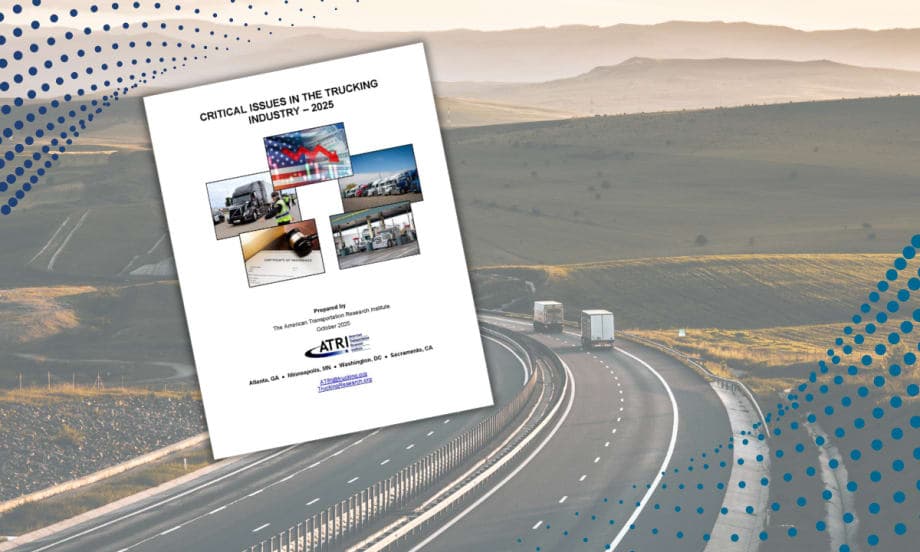
The Economy Muscles Its Way to the Top of the Worry List
For the first time in recent memory, the economy has claimed the top spot on the trucking industry's annual ranking of critical issues in 2026 -- a telling shift from the driver-centric anxieties that have dominated the list for years. The move reflects a carrier base that is increasingly focused on softening freight demand, underutilized capacity, and tightening margins rather than the recruitment and retention battles of the past decade.
For fleet managers, the message is blunt: budget discipline and load quality now outrank nearly every other operational concern. Expect procurement scrutiny, CapEx deferrals, and harder conversations with shippers to define the rest of the year.
Why Small Carriers Are Still Standing
Despite a punishing rate environment, small fleets and owner-operators continue to hold their ground -- a quiet rebuke to predictions of mass consolidation. Their survival hinges on lean overhead, niche lane expertise, and a willingness to run equipment longer than their larger competitors.
The takeaway for larger fleets: the small-carrier segment is not going away, and the competitive pressure on spot rates and regional lanes will persist. Asset-heavy operators should assume pricing discipline from below, not just from mega-carriers above.
A New Wave of Tech Targets the Container Segment
In March, TruckingMall rolled out a fleet management suite built specifically for container and drayage operations -- a segment that has long been underserved by general-purpose TMS platforms. The system targets the unique pain points of intermodal work: chassis tracking, terminal appointment management, and per-diem exposure.
Heavy Duty Trucking also dropped its annual Top 20 Products list for 2026, a useful benchmark for fleets evaluating new spend. For operations leaders, the signal is clear: the TMS and telematics market is fragmenting by vertical, and drayage-heavy fleets finally have purpose-built tools worth piloting.
FMCSA Hearings and a Fight Over Who Gets to Be a Carrier
The industry turned out in force at the FMCSA's Los Angeles listening session on hours of service, with carrier voices dominating the floor -- a clear signal that any HOS rewrite will face heavy scrutiny. Fleets also backed Dalilah's Law and celebrated a Federal Maritime Commission ruling in a closely watched chassis choice case, underscoring how aggressively the industry is now engaging on legislative and regulatory fronts.
The thornier debate centers on new-entrant standards: critics argue it is still too easy to obtain operating authority, fueling the persistent problem of chameleon carriers that rebrand to shed safety records. For safety directors, the policy trajectory points toward tougher vetting at the front door -- and potentially more rigorous scrutiny of the carriers already on the road.