Blues Debuts Device-to-Cloud Platform at MATS 2026 -- Fleet Tech Investment Picks Up Speed
Blues showcased its connected fleet system at the Mid-America Trucking Show, joining a wave of new platform launches from Fleetio, Motive, Verizon, and others. Geotab's CEO has a message for fleets sitting on the sidelines: adapt or die.
Blues Takes Center Stage at MATS 2026
Blues Powers made its case at the Mid-America Trucking Show in Louisville this March, demonstrating a device-to-cloud fleet management platform designed to move vehicle data collection and analytics into a single connected system. MATS is one of the industry's marquee venues for new product debuts, and Blues used the moment to position its technology against an increasingly crowded field of fleet software providers.
A Wave of New Platforms and Partnerships
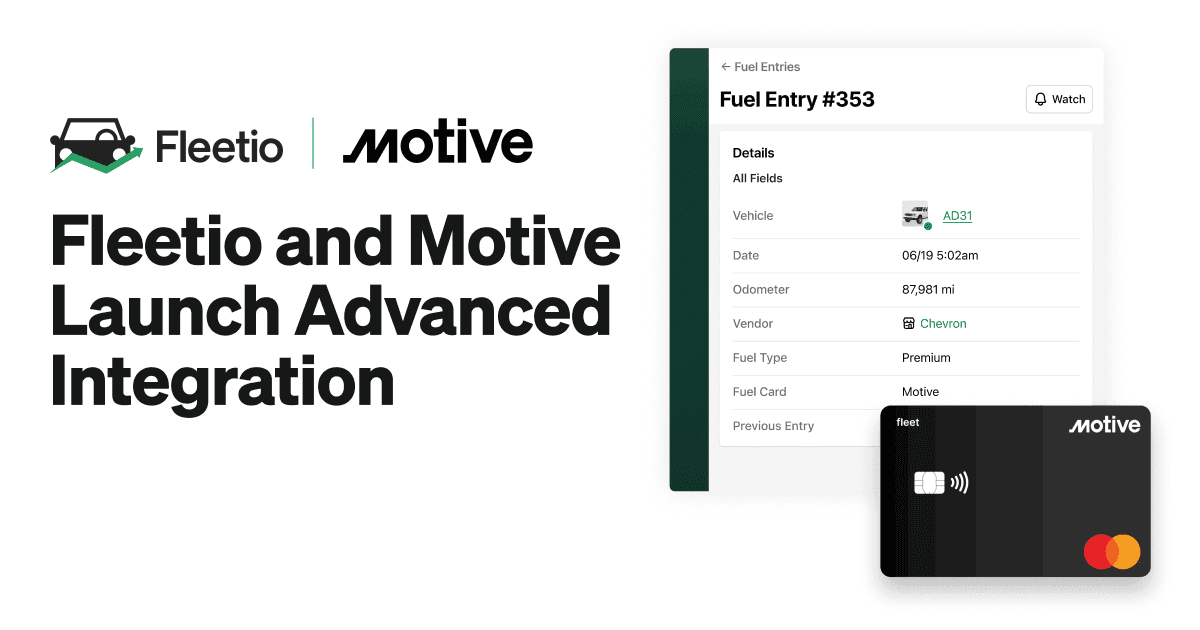
Blues wasn't alone in the launch cycle. Fleetio and Motive announced a joint fleet maintenance and optimization platform in February, combining their respective strengths in maintenance tracking and fleet operations. Fleetio also released a standalone mobile app that same month. Kooner Fleet Management introduced its FleetIQ system, Donlen launched an online fleet management tool, and Verizon entered the small-business fleet market with a new service offering in February.
Companies including Proaction, alongside Fleetio and other fleet software providers, continue building out operational workflow and maintenance tools as fleets move deeper into digital oversight. The pattern is consistent: more integrations, more automation, more pressure on operators to consolidate their tech stack.
Geotab's CEO Puts It Plainly: Adapt or Die
Geotab CEO Neil Cawse made the stakes clear in a February interview. AI is no longer optional for competitive fleet operations -- it's moving from pilot projects into baseline infrastructure. Penske shared parallel insights on AI applications in fleet management, and the message from both is the same: fleets that delay adoption are falling behind on predictive maintenance, route optimization, and cost management.
The pace of AI integration into fleet management systems represents a genuine inflection point. The gap between fleets with modern platforms and those running legacy processes is widening quarter over quarter.
Traditional Players Expand Their Digital Reach
Established names are making moves too. ExxonMobil launched an online fleet management program in February, and Hub International rolled out a fleet risk management app the same month. Trafficmaster announced a fleet management solutions acquisition in March. These moves signal that even traditional fuel, insurance, and logistics players see digital fleet management as a core offering -- not an add-on.
The broader picture: demand for unified fleet management platforms -- combining tracking, maintenance, compliance, and analytics -- is pushing investment across the sector. For fleet managers, the question is no longer whether to upgrade, but which integrated stack to bet on.