Diesel Price Spikes Squeeze Carriers Already on the Ropes
Middle East instability is driving diesel costs higher at the worst possible time -- while carriers bleed from soft freight rates and rising operating costs.
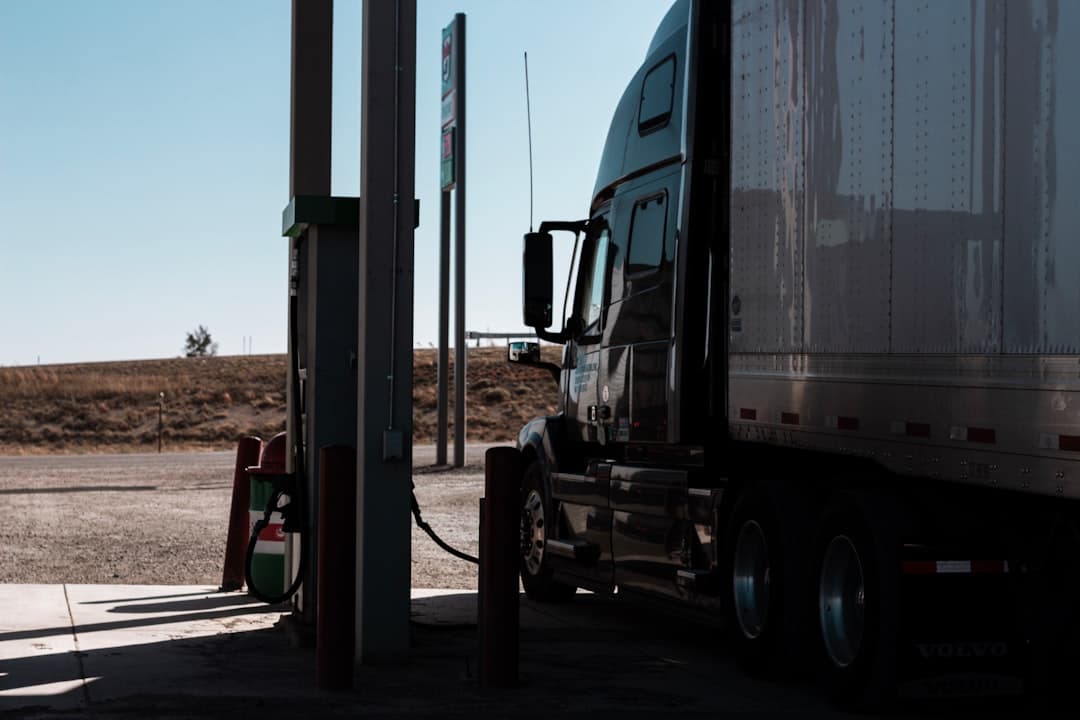
Fuel Volatility Hits Fleets at Their Most Vulnerable
Mike Kucharski, vice president of refrigerated carrier JKC Trucking, issued a blunt warning: diesel price spikes tied to Middle East conflict are compounding an already brutal market for carriers. The fuel surges are landing on fleets still reeling from weak freight rates and elevated operating costs -- a combination that leaves almost no margin for error.
The timing is punishing. Carriers that survived the post-pandemic freight recession by cutting costs to the bone now face a variable they cannot control. For fleets running refrigerated or temperature-sensitive freight, where fuel represents an outsized share of operating expense, every penny per gallon matters.
What This Means for Fleet Operators
Fleet managers should be stress-testing their fuel surcharge programs right now. If your surcharges lag the market by even a week, you are absorbing cost increases that erode already-thin margins. Lock in fuel hedging where possible, and revisit routing optimization to minimize deadhead miles during price spikes.
The broader signal is clear: carriers without disciplined cost controls and real-time fuel management are the ones most likely to exit the market next. The ATA's Truck Tonnage Index showed a modest 0.3% gain in July -- not enough to suggest a demand surge that would lift rates and offset rising fuel costs.
HDT Launches Search for 2026's Top Green Fleets
Heavy Duty Trucking opened nominations for its Top Green Fleets of 2026, calling on carriers to showcase sustainability leadership. For fleet operators already investing in fuel efficiency, alternative energy, or emissions reduction, this is a visibility opportunity worth pursuing -- recognition programs like this increasingly influence shipper decisions and contract awards.
Fleet Tech Deals Signal Where the Industry Is Heading
Several partnerships underscore the industry's push toward integrated fleet management platforms. WEX signed a long-term private label deal with Citgo to expand fuel management options. Fleetio and Motive launched a combined maintenance and optimization platform. Verizon entered fleet management targeting small businesses, and ExxonMobil rolled out an online fleet management program.
The common thread: fleets that centralize fuel, maintenance, and compliance data gain a cost advantage that manual operators simply cannot match -- especially when fuel prices are volatile.