Blues, Fleetio, and Geotab Signal a New Era of Fleet Tech at MATS 2026
From device-to-cloud connectivity to AI-driven maintenance, early 2026 has delivered a wave of fleet technology launches that operations leaders cannot afford to ignore.
Blues Brings Device-to-Cloud Connectivity to the Show Floor
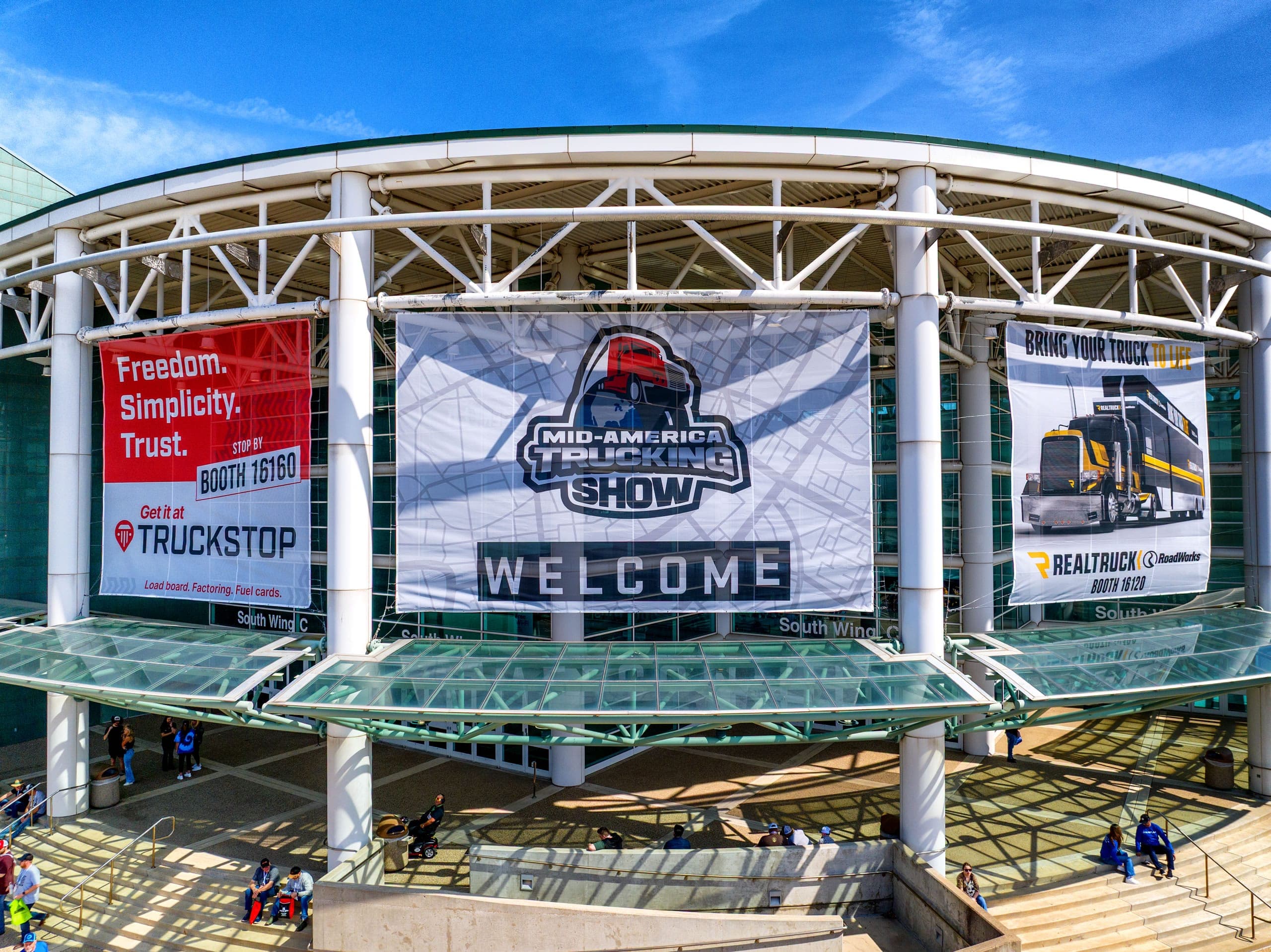
At the Mid-America Trucking Show 2026, Blues demonstrated a connected device-to-cloud platform designed to pipe real-time vehicle data straight into centralized management systems — no middleware, no bolt-on integrations. The company pitched the architecture as the backbone for what it calls "the next wave of fleet management," and the timing was deliberate: MATS remains the industry's biggest stage for technology that has to prove itself to skeptical fleet operators.
The pitch matters because connectivity is the bottleneck most fleets still haven't solved. Telematics hardware generates mountains of data, but getting that data from the cab to the cloud — reliably, securely, and cheaply — remains a pain point for operations teams running hundreds or thousands of assets. Blues is betting that a tighter device-to-cloud link can close that gap.
Major Partnerships Are Reshaping the Software Stack
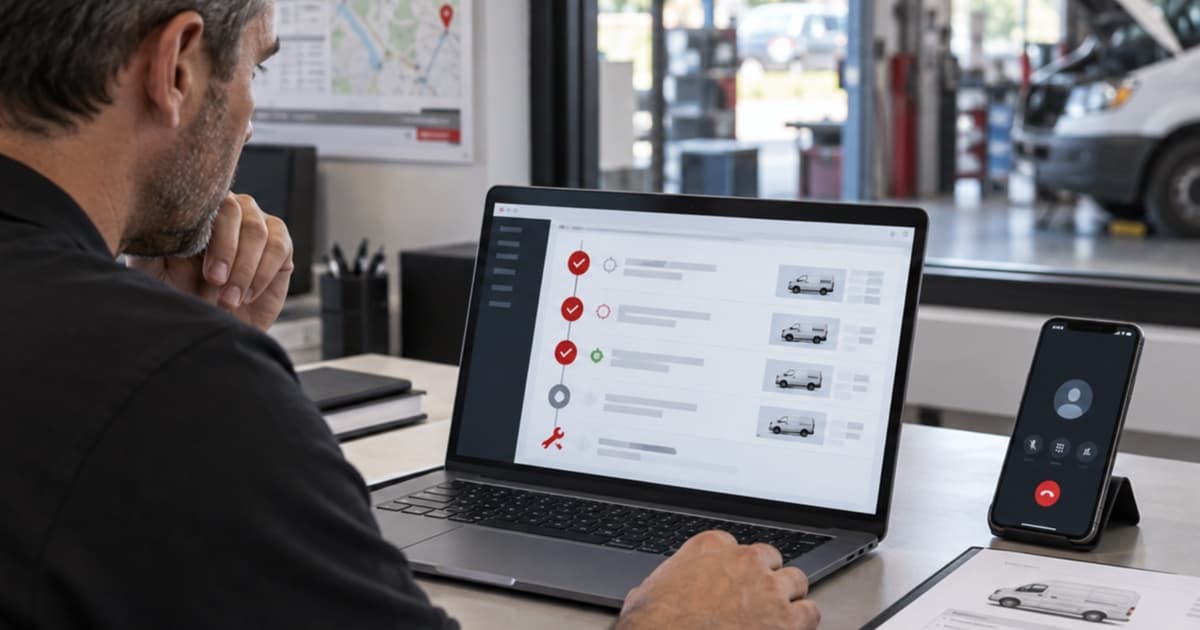
Blues wasn't the only company making moves. On February 4, Fleetio and Motive announced a joint maintenance and optimization platform that merges Fleetio's maintenance scheduling with Motive's operational intelligence. For fleet managers juggling separate dashboards for compliance, maintenance, and driver performance, the integration signals a long-overdue consolidation of the software stack.
The same week, Kooner Fleet Management launched FleetIQ, a predictive-maintenance system built to maximize customer uptime through continuous monitoring and data analytics. Later in February, Fleetio followed up with a dedicated mobile fleet management app, giving field supervisors and technicians smartphone access to work orders, asset status, and compliance records without logging into a desktop portal.
The pattern is clear: vendors are no longer selling point solutions. They are racing to build integrated platforms that cover maintenance, operations, and analytics in a single pane of glass.
AI Moves From Buzzword to Operating Requirement
If there was a single thread running through every product launch and conference keynote in early 2026, it was artificial intelligence. In January, Heavy Duty Trucking published insights from Penske on how one of the nation's largest fleet operators is embedding AI across its maintenance and dispatch workflows — not as an experiment, but as standard operating procedure.
Geotab CEO Neil Cawse put it bluntly in a February interview titled "Adapt or Die," arguing that fleets still relying on rules-based telematics will fall behind operators using AI-powered predictive analytics and automated decision-making. The gap between basic GPS tracking and next-generation fleet platforms is widening fast, and the fleets that treat AI as optional risk being left with yesterday's tools in tomorrow's market.
Training Programs Scramble to Keep Pace
New technology is only as useful as the people running it, and early 2026 saw a burst of professional development aimed at closing the knowledge gap. The National Private Truck Council launched its Private Fleet Management Institute in March, offering specialized coursework for operators who manage captive fleets and face a different set of challenges than for-hire carriers.
Peterbilt hosted fleet management seminars at the NTEA Show in February, while Zonar announced its inaugural Fleet Management Conference — a sign that OEMs and technology vendors alike see education as a competitive differentiator. The Technology & Maintenance Council doubled down on maintenance fundamentals at its fall planning sessions, a reminder that even the most advanced platforms still depend on disciplined PM programs.
For fleet leaders, the takeaway is straightforward: the technology is moving faster than most teams are trained to use it. The organizations investing in both the tools and the people will be the ones that capture the efficiency gains everyone else is chasing.