Fleet Industry Powers Forward with AI Innovation and Strategic Partnerships
Major fleet players are embracing artificial intelligence while forming new partnerships and advisory councils to drive industry transformation in 2026.

AI and Technology Integration Transform Fleet Operations
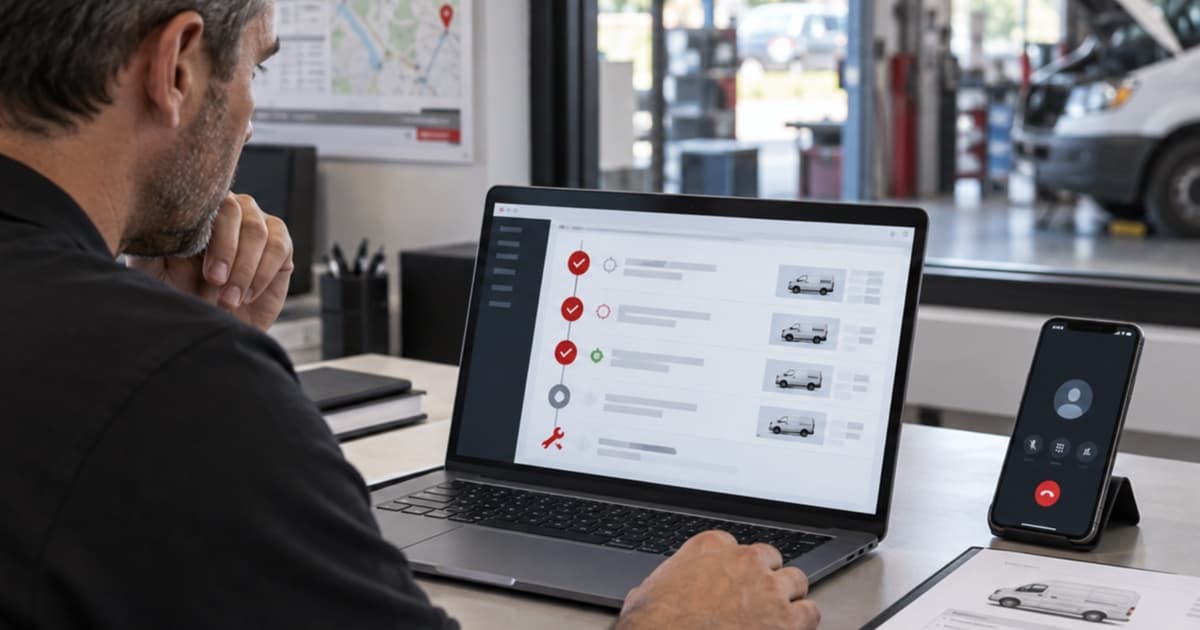
The fleet management industry is experiencing a significant technological renaissance as artificial intelligence and advanced telematics solutions reshape operational capabilities. Penske's recent insights into AI transformation highlight how machine learning algorithms are revolutionizing predictive maintenance, route optimization, and fuel efficiency across commercial fleets.
Several technology providers are launching innovative solutions to meet this demand. Kooner Fleet Management introduced its new FleetIQ platform, specifically designed to improve customer uptime through advanced analytics and real-time monitoring capabilities. The system represents a shift toward proactive fleet management, where potential issues are identified and addressed before they impact operations.
Mobile accessibility continues to drive platform development, with PeopleNet's new Mobile Fleet Manager offering instant iPad access to critical data, maps, and messaging systems. This development reflects the industry's recognition that fleet managers need immediate access to operational information regardless of location. Similarly, NexTraq announced support for the Garmin Fleet 590 device, expanding integration options for fleet operators seeking comprehensive telematics solutions.
International Truck's debut of Intelligent Fleet Care demonstrates how OEMs are incorporating AI-driven diagnostics into their service offerings, promising reduced downtime and more efficient maintenance scheduling. Meanwhile, Roadnet's Anywhere platform received updates with advanced fleet overview options, and Roadz introduced its Unified Fleet Workspace to consolidate previously siloed data streams into actionable insights.
Industry Consolidation and Strategic Partnerships
The fleet management sector is witnessing significant consolidation activity as companies position themselves for future growth. PHH Corporation is reportedly in talks to sell its fleet business, marking another major transaction in an industry increasingly characterized by merger and acquisition activity. This potential sale reflects broader market dynamics where companies are either scaling up through acquisitions or divesting non-core assets to focus on specialized services.
Partnership formation is accelerating across the industry, with Postal Fleet Services leasing 20 compressed natural gas trucks from Ryder, demonstrating the growing emphasis on alternative fuel solutions and strategic supplier relationships. This partnership exemplifies how fleet operators are collaborating with leasing companies to access cleaner technologies without the capital burden of direct purchases.
GE Capital Fleet Services launched a Truck Advisory Board, recognizing the need for direct customer input in product development and service enhancement. This initiative reflects a broader industry trend toward customer-centric innovation, where end-user feedback directly influences technology development and service delivery models.
Professional Development and Industry Standards
Professional education and certification programs are expanding rapidly as the industry acknowledges the increasing complexity of modern fleet management. The Truckload Carriers Association (TCA) announced the first person to complete their online Fleet Manager Certificate Program, marking a milestone in standardized fleet management education. This development addresses the critical need for professionally trained fleet managers who can navigate increasingly complex operational and regulatory environments.
The National Association of Fleet Administrators (NAFA) created a Corporate Fleet Advisory Council, establishing a formal mechanism for industry collaboration and best practice sharing. This council represents a significant step toward standardizing corporate fleet management practices and fostering innovation through collective expertise.
The National Private Truck Council (NPTC) announced a Fleet Finance Seminar, addressing the growing complexity of fleet financing options and helping operators understand emerging funding mechanisms for vehicle acquisition and technology implementation.
Recognition Programs and Industry Events
Industry recognition programs continue to drive innovation and highlight best practices across the fleet sector. Heavy Duty Trucking opened nominations for their 2016 Truck Fleet Innovators program, providing a platform for recognizing companies and individuals who are advancing fleet technology and operational excellence.
AltWheels is preparing for Fleet Day on October 5th, an event that promises to showcase emerging technologies and provide networking opportunities for fleet professionals. These industry gatherings have become increasingly important as forums for knowledge sharing and relationship building in a rapidly evolving sector.
Financial management solutions are also evolving to meet changing fleet needs. Comdata introduced the OnRoad Card for managing fleet spending, offering enhanced controls and reporting capabilities that help fleet managers optimize fuel and maintenance expenditures while maintaining operational flexibility.
The convergence of these developments – from AI-powered platforms and strategic partnerships to enhanced professional development and industry recognition programs – signals a maturing fleet management sector that is becoming increasingly sophisticated and professionally managed. For fleet managers, these trends represent both opportunities and challenges, requiring continuous learning and adaptation to leverage new technologies while maintaining operational efficiency and regulatory compliance.