Texas Opens Dyed Diesel Use as Fuel Prices Spike
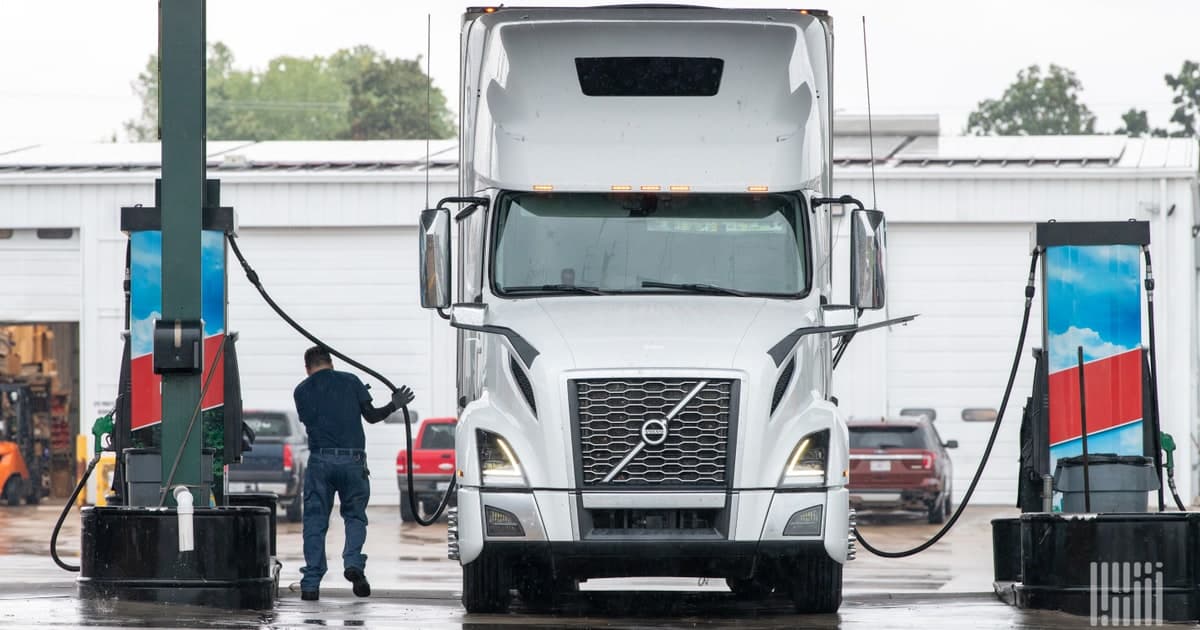
Gov. Greg Abbott's statewide disaster proclamation lets farmers and truckers use dyed diesel on Texas roads and move heavier fuel, crop and timber loads during the fuel-price surge.
Texas Waives a Road-Fuel Restriction
Texas is temporarily allowing wider use of dyed diesel on public roads after Gov. Greg Abbott issued a statewide disaster proclamation tied to high fuel prices and supply pressure.
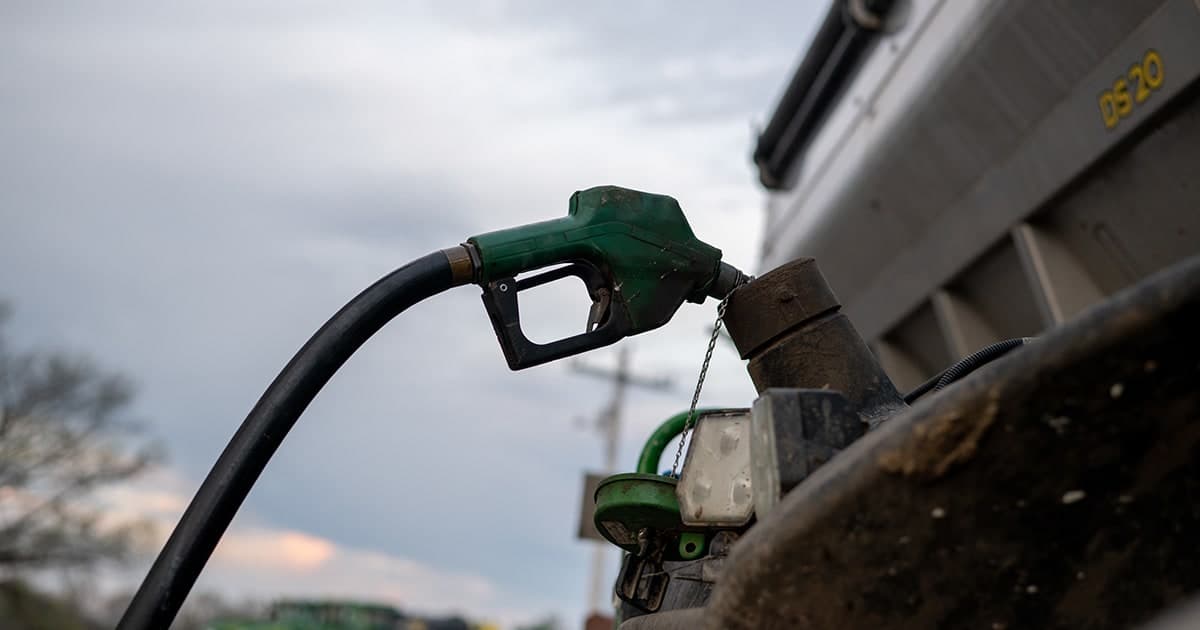
The order allows farmers and truckers to use dyed diesel on Texas roads and lets fuel, crop and timber loads move at a higher weight. The governor's office said the steps are intended to cut costs for agriculture, trucking and consumers while diesel prices remain elevated.
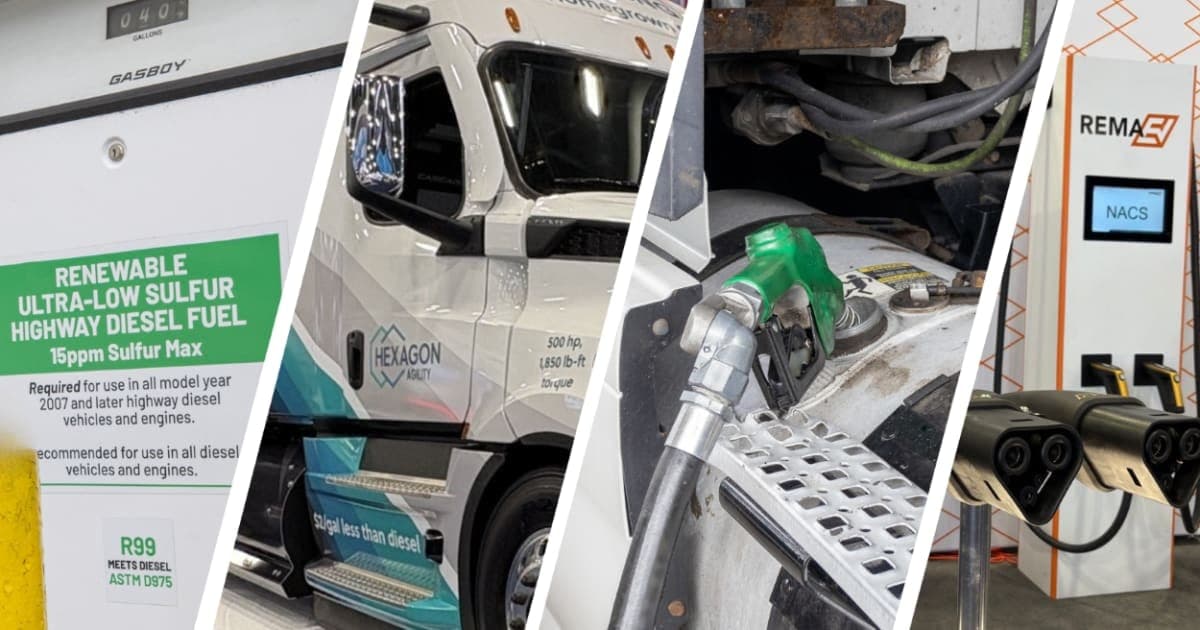
Dyed diesel is chemically similar to ordinary diesel, but it is marked red because it is sold without motor-fuels tax and is normally limited to off-road uses such as agriculture, construction and other non-highway equipment.
The Fuel Crunch Is Broader Than Texas
Transport Topics reported that the move comes as diesel markets are strained by disruptions tied to the Strait of Hormuz and attacks on Russian refineries. U.S. retail diesel prices have hit records, with the national average cited around $6.44 a gallon.
The proclamation also suspended Texas Low Emission Diesel rules as far as federal law allows. That makes the order more than a price-relief measure; it is a temporary compliance change that fleets operating in or through Texas need to understand before dispatching fuel or commodity loads.
What Fleet Teams Should Watch
For fleets, the immediate opportunity is lower-cost access to fuel already held in off-road channels. The immediate risk is assuming the emergency order removes every compliance obligation. It does not change how dyed diesel is treated outside the order, outside Texas or after the emergency period ends.
Dispatch, fuel-card and compliance teams should document where dyed diesel is used, which vehicles are covered and when the emergency authority expires. That record will matter if audits, roadside questions or tax issues follow the price spike.