Fleet Industry Consolidation Accelerates as Ryder Expands Service Network
Ryder's acquisition of Georgia's Truck Service Depot highlights ongoing industry consolidation as fleet operators seek comprehensive service networks.

Ryder Strengthens Regional Maintenance Footprint
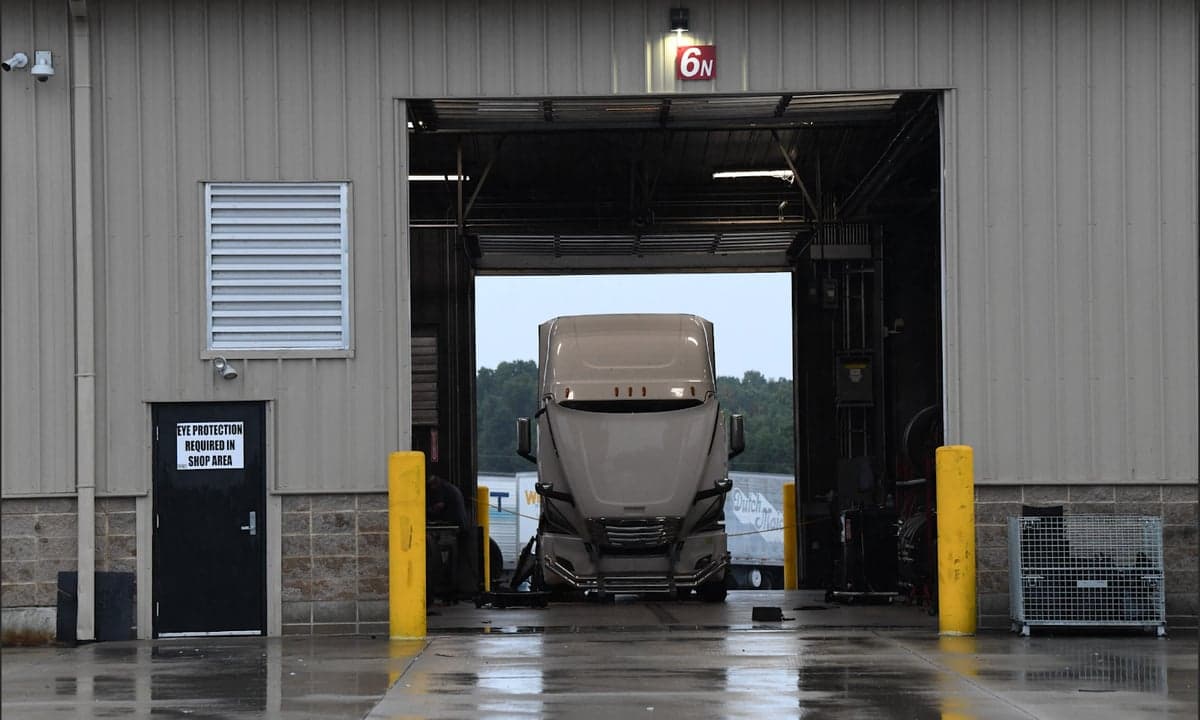
Ryder System Inc. has acquired Truck Service Depot, a Georgia-based commercial vehicle maintenance operation, as part of the company's strategic expansion of its service network across key transportation corridors. The acquisition represents another significant move in the ongoing consolidation of fleet maintenance services, as operators increasingly seek comprehensive, multi-location support for their commercial vehicle operations.
The deal brings Ryder additional maintenance capacity in Georgia's critical logistics hub, positioning the Miami-based company to better serve customers operating along major freight routes connecting the Southeast to national distribution networks. For fleet managers, this expansion means potentially improved service accessibility and reduced downtime for vehicles operating in the region.
Truck Service Depot's integration into Ryder's network will provide existing customers with access to Ryder's broader range of fleet management services, including preventive maintenance programs, emergency roadside assistance, and fleet analytics capabilities. This type of vertical integration has become increasingly valuable as fleet operators face mounting pressure to optimize vehicle uptime and reduce total cost of ownership.
Technology Partnerships Drive Autonomous Freight Forward
Meanwhile, the autonomous freight sector continues to gain momentum with Amazon Web Services (AWS) and Aumovio announcing a strategic partnership to support Aurora Innovation's self-driving truck initiatives. This collaboration represents a significant step toward scaling autonomous freight operations, combining AWS's cloud infrastructure capabilities with Aumovio's specialized logistics technology platform.
The partnership will focus on enhancing the technological infrastructure needed to support Aurora's autonomous trucking operations, particularly in areas of data processing, fleet coordination, and real-time decision-making systems. For fleet managers monitoring autonomous vehicle developments, this alliance signals continued progress toward commercial viability of self-driving trucks, though widespread deployment remains years away.
Aurora has been positioning itself as a leader in autonomous freight technology, and partnerships like this one with major technology providers demonstrate the capital and technical resources being deployed to bring self-driving trucks to market. Fleet operators should expect to see continued pilot programs and limited commercial deployments in specific corridors over the next several years.
Software Innovation Transforms Route Optimization
The commercial vehicle software landscape is experiencing renewed innovation, with PCS Software founders launching a new commercial routing system that promises to enhance fleet efficiency through advanced optimization algorithms. This development comes as fleet managers increasingly rely on sophisticated software solutions to navigate complex delivery networks while managing fuel costs and driver hours-of-service requirements.
The new routing system reflects the industry's growing focus on data-driven decision making, offering fleet operators enhanced visibility into route performance, driver productivity, and customer service levels. For fleet managers operating multi-vehicle operations, advanced routing capabilities can translate into significant cost savings through reduced fuel consumption, improved asset utilization, and better customer satisfaction.
Software solutions like these are becoming essential tools for competitive fleet operations, particularly as e-commerce growth continues to drive demand for faster, more efficient delivery services. Fleet operators who invest in advanced routing and optimization technologies are positioning themselves to better compete in an increasingly demanding logistics environment.
Global Supply Chain Developments Impact Fleet Operations
International developments are also shaping fleet operations, with Brakes India launching its Revia commercial vehicle clutch line, highlighting the global nature of commercial vehicle component supply chains. This launch represents continued innovation in critical vehicle systems that directly impact fleet reliability and maintenance costs.
The introduction of new clutch technology demonstrates ongoing efforts by component manufacturers to improve vehicle durability and reduce maintenance requirements. For fleet managers, advances in component technology can translate into extended service intervals, reduced downtime, and lower total cost of ownership over vehicle lifecycles.
These global supply chain developments underscore the interconnected nature of the commercial vehicle industry, where innovations in component technology, manufacturing processes, and service delivery models can have far-reaching impacts on fleet operations worldwide. Fleet managers must stay informed about these developments to make strategic decisions about vehicle specifications, maintenance programs, and supplier relationships.
The convergence of consolidation in service networks, advancement in autonomous vehicle technology, innovation in fleet software solutions, and improvements in component technology reflects an industry undergoing significant transformation. Fleet managers who understand these trends and their implications will be better positioned to optimize their operations and maintain competitive advantages in an evolving marketplace.