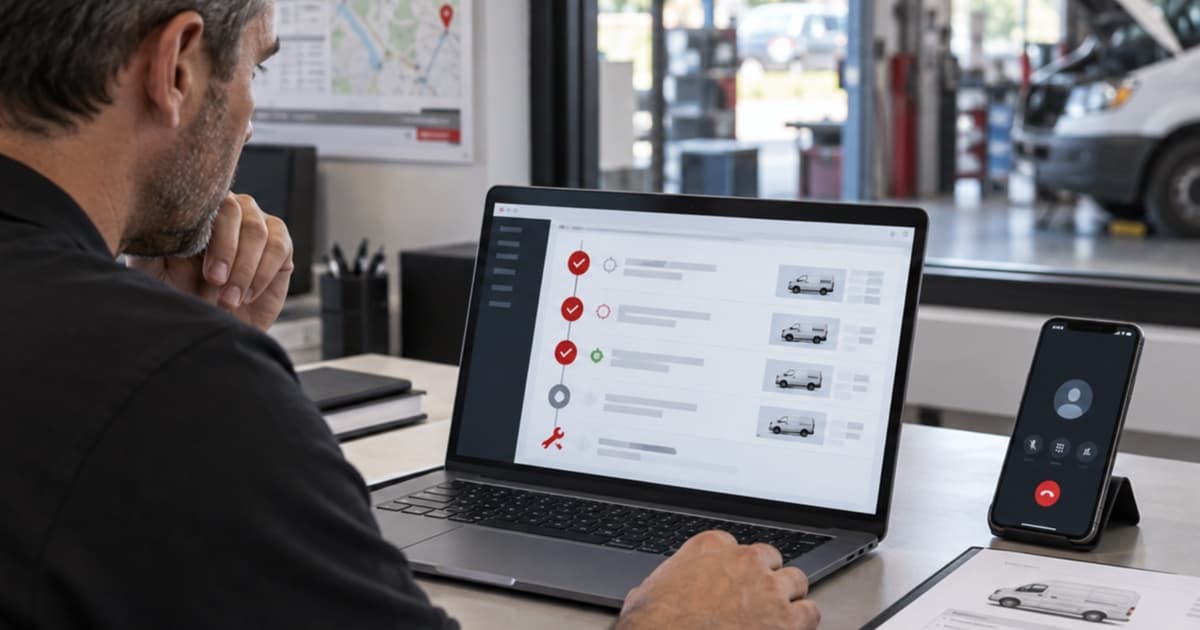
Fleet Technology Revolution: AI and Advanced Tracking Transform 2026 Operations
Fleet managers embrace AI-driven maintenance, next-gen tracking, and unified platforms to combat rising costs and boost efficiency in challenging market conditions.

Next-Generation Fleet Technology Takes Center Stage
As 2026 unfolds, fleet managers are increasingly turning to sophisticated technology solutions to navigate persistent market challenges and operational pressures. The evolution from basic GPS tracking to comprehensive AI-powered fleet management platforms represents a fundamental shift in how organizations approach vehicle operations, maintenance, and cost control.
The release of the 2026 Fleet Technology Trends & AI Impact Report highlights this transformation, revealing how artificial intelligence is becoming central to fleet operations. Companies like Pilot are already leveraging AI for predictive maintenance programs, using machine learning algorithms to anticipate equipment failures before they occur. This proactive approach is proving essential as fleets face mounting pressure to reduce downtime and extend asset lifecycles.
Ford Pro has expanded its technological offerings with the launch of Ford Pro Asset Tracking through its telematics platform, providing fleet managers with enhanced visibility into their operations. Meanwhile, Cox Automotive has unified its fleet services under the new Cox Fleet Launch initiative, streamlining previously fragmented offerings into a cohesive platform that addresses multiple fleet management needs simultaneously.
AI-Driven Maintenance Revolutionizes Fleet Operations
The integration of artificial intelligence into fleet maintenance programs is delivering measurable results for early adopters. Pilot's AI-enhanced maintenance system exemplifies this trend, utilizing predictive analytics to optimize service schedules and reduce unexpected breakdowns. The technology analyzes vast amounts of operational data, including vehicle performance metrics, driver behavior patterns, and environmental conditions, to predict when components are likely to fail.
This shift toward predictive maintenance is complemented by new specialized solutions addressing recurring problems. ACC Fleet Solutions has launched specifically to tackle persistent heavy-duty truck parts failures, focusing on the components that cause the most operational disruptions. Their approach combines data analytics with targeted interventions to improve overall fleet reliability.
The maintenance revolution extends beyond technology to encompass comprehensive fleet reliability strategies. At HDAW 2026, PFX Group presented innovative approaches to heavy-duty fleet reliability, emphasizing the importance of integrated systems that combine predictive analytics, preventive maintenance, and real-time monitoring to maximize vehicle availability and performance.
Managing Controllable Costs in Uncertain Markets
With market conditions remaining challenging, fleet managers are focusing intensively on elements within their control. Recent analysis reveals that driver behavior significantly impacts maintenance costs, with everyday driving habits directly contributing to increased service, maintenance, and repair (SMR) expenses. Venson's research demonstrates that poor driving practices—such as harsh acceleration, excessive idling, and aggressive braking—can substantially inflate operational costs.
To address these controllable cost factors, industry experts recommend prioritizing comprehensive driver training programs. The data shows that fleets implementing structured driver education initiatives see measurable reductions in SMR costs, often within months of program implementation. This approach offers fleet managers a direct path to cost savings that doesn't depend on external market conditions.
Beyond driver training, fleet managers are implementing nine key strategies to increase fuel efficiency and lower fuel costs in 2026. These include optimizing route planning through advanced telematics, implementing eco-driving programs, maintaining proper tire pressure and vehicle alignment, and utilizing fuel-efficient driving techniques. The cumulative impact of these strategies can result in fuel savings of 10-15% for well-managed fleets.
Unified Platforms and Comprehensive Solutions
The trend toward integrated fleet management platforms reflects the industry's recognition that fragmented solutions create inefficiencies and data silos. Cox Fleet Launch represents this evolution, bringing together previously separate automotive services under a single umbrella. This unified approach allows fleet managers to access vehicle acquisition, financing, maintenance, and disposition services through one platform, reducing administrative overhead and improving decision-making capabilities.
The movement toward comprehensive solutions extends to tracking and telematics as well. Modern GPS fleet tracking systems of 2026 offer far more than basic location monitoring, incorporating features such as driver behavior analysis, fuel consumption optimization, maintenance scheduling, and compliance reporting. These integrated platforms provide fleet managers with holistic operational visibility that enables more informed strategic decisions.
For fleet managers, these technological advances represent both opportunities and challenges. While next-generation platforms offer unprecedented operational insights and efficiency gains, they also require significant investment in training and change management. The organizations that successfully navigate this transition are those that view technology adoption as a strategic imperative rather than an optional upgrade.
The implications for the broader fleet industry are substantial. As AI-driven maintenance becomes more sophisticated and predictive capabilities improve, the traditional reactive approach to fleet management will become increasingly obsolete. Fleet managers who embrace these technological advances while maintaining focus on controllable cost factors like driver training and fuel efficiency will be best positioned to thrive in the evolving operational landscape of 2026 and beyond.