AI Revolution Reshapes Fleet Management as Industry Adapts to Rapid Change
Geotab's CEO warns fleets must adapt quickly to AI transformation while new platforms and partnerships emerge across the fleet management landscape.
AI's Rapid Evolution Forces Fleet Industry Adaptation
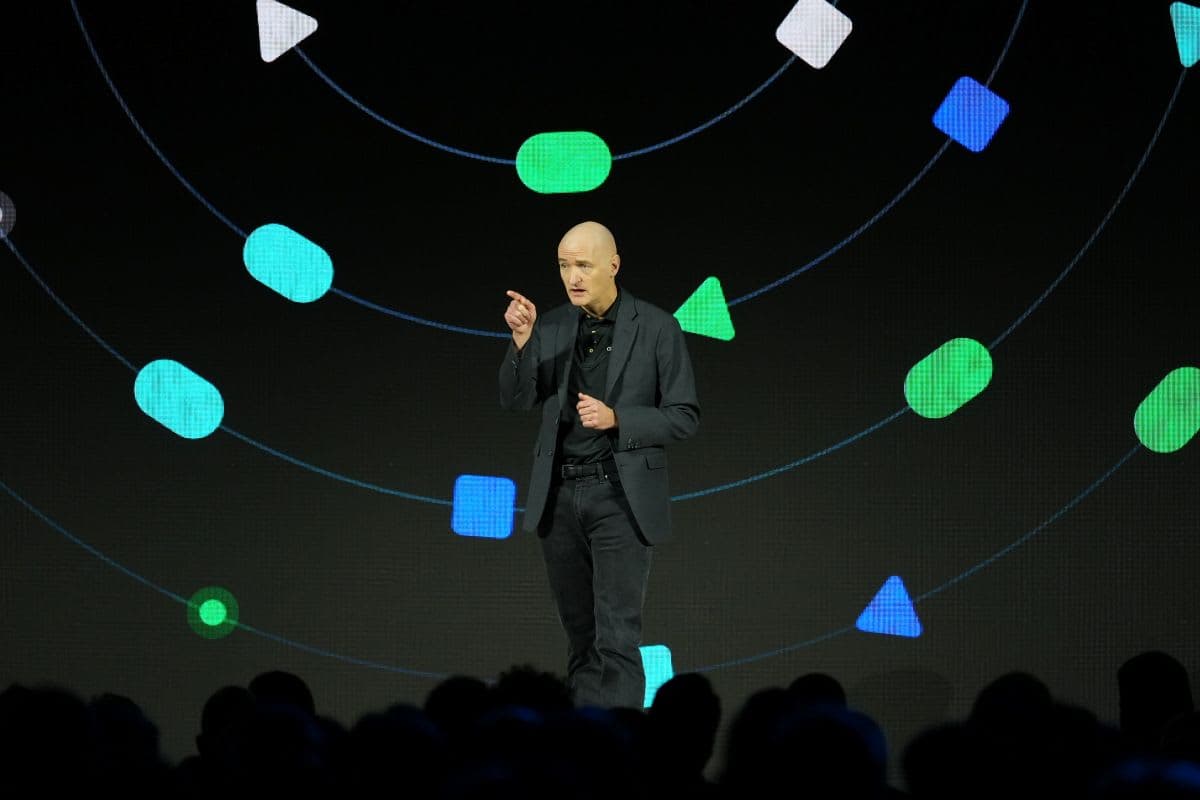
The fleet management industry faces an unprecedented transformation as artificial intelligence evolves faster than many operations can keep pace, according to Geotab CEO Neil Cawse speaking at Geotab Connect. Cawse delivered a stark message to fleet managers: "adapt or die" in the face of AI's rapid reinvention of traditional fleet operations.
The telematics leader's vision extends beyond current AI applications to a future where a single AI system coordinates every aspect of fleet management — from route optimization and maintenance scheduling to compliance monitoring and fuel management. This integration represents a fundamental shift from today's fragmented technology stack to a unified, intelligent ecosystem.
Cawse emphasized that success in this AI-driven landscape requires more than just technology adoption. Fleet leaders must develop new skills in guiding AI systems, understanding their capabilities and limitations, and making strategic decisions about implementation. The challenge isn't simply integrating AI tools, but fundamentally rethinking how fleet operations function in an automated environment.
Platform Integration and Strategic Partnerships Drive Innovation
The industry's response to these technological demands is evident in a wave of new integrations and platform developments. Werner Enterprises recently integrated with Navistar's 360 Fleet Management Platform, demonstrating how major carriers are consolidating their technology stack for better operational visibility and control.
Meanwhile, Blues showcased their next-generation connected device-to-cloud system at the Mid-America Trucking Show 2026, highlighting the infrastructure backbone needed to support AI-driven fleet operations. These cloud-connected systems provide the real-time data streams that modern AI applications require to make intelligent decisions about routing, maintenance, and resource allocation.
The integration trend extends beyond large carriers to specialized service providers. Engine, a trucking travel management platform, joined the Truckload Carriers Association, signaling the growing importance of travel and route optimization in comprehensive fleet management strategies. Such partnerships reflect how the industry is recognizing that effective fleet management now requires coordination across multiple specialized platforms.
Software Evolution Meets Growing Complexity
Fleet management software providers are rapidly expanding their capabilities to meet evolving industry demands. Collective Data added new modules to their fleet management software, while ARI launched mobile fleet management capabilities, recognizing that modern fleet operations require anytime, anywhere access to critical data and controls.
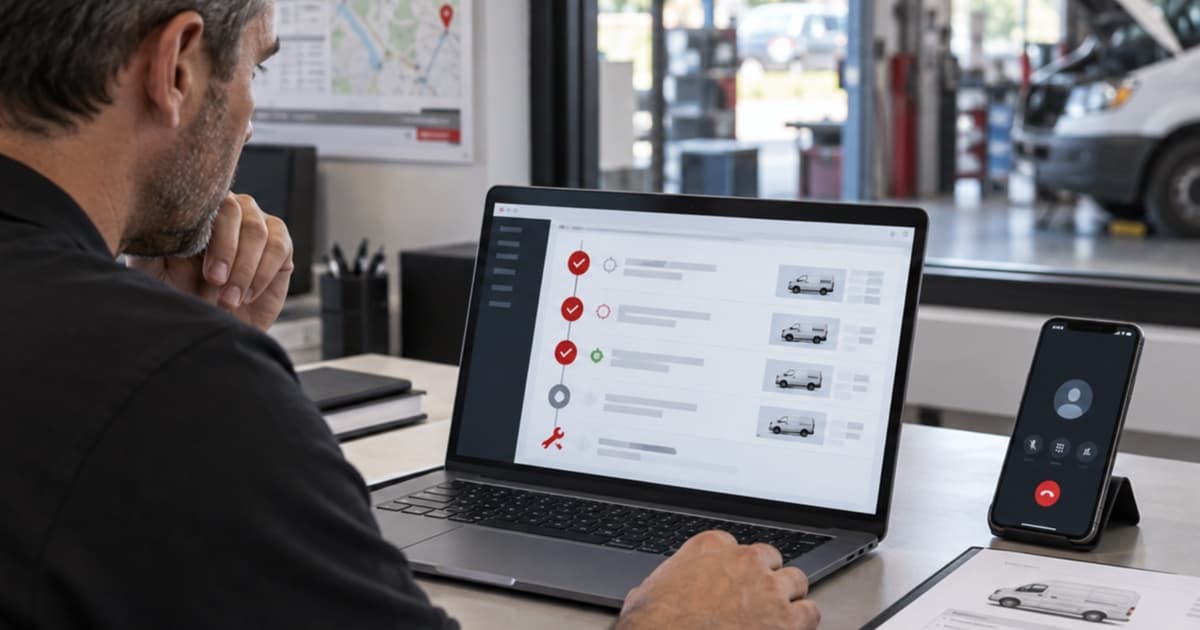
The software evolution reflects increasing operational complexity that fleet managers face daily. From ELD compliance and safety monitoring to maintenance scheduling and fuel management, today's fleet operations generate massive amounts of data that require sophisticated analysis and automation. Companies like Proaction are addressing this complexity with unified platforms that integrate inspections, service management, compliance tracking, and analytics into single systems, while their AI-powered reporting tools like Proaction Explore help managers extract actionable insights from operational data.
Traditional players are also adapting their offerings. AirIQ announced wireless fleet management solutions, while Archibus debuted new fleet management capabilities, showing how companies across the technology spectrum recognize the growing market opportunity in comprehensive fleet solutions.
Education and Professional Development Address Skills Gap
Recognizing the skills gap created by rapidly evolving technology, industry organizations are investing heavily in education and professional development. The National Private Truck Council (NPTC) announced its Private Fleet Management Institute, designed to help fleet managers navigate the complex technological and regulatory landscape.
Educational initiatives extend beyond formal programs to hands-on learning opportunities. Peterbilt offered fleet management seminars at the NTEA Show, while various organizations provided specialized training on topics ranging from sustainability in Class 8 fleet management to risk management applications.
These educational investments reflect industry recognition that technological advancement alone isn't sufficient — fleet managers need comprehensive training to leverage new tools effectively. The rapid pace of AI development means continuous learning has become essential for fleet management professionals.
ExxonMobil's launch of online fleet management programs demonstrates how even traditional energy companies are adapting their service models to support increasingly sophisticated fleet operations. The shift toward digital, data-driven fleet management requires not just new technology, but new approaches to training, support, and ongoing professional development.
As the fleet management industry continues its AI-driven transformation, success will depend on organizations' ability to balance technological adoption with workforce development, ensuring that human expertise guides artificial intelligence toward optimal operational outcomes.